
Automation Machine Operator
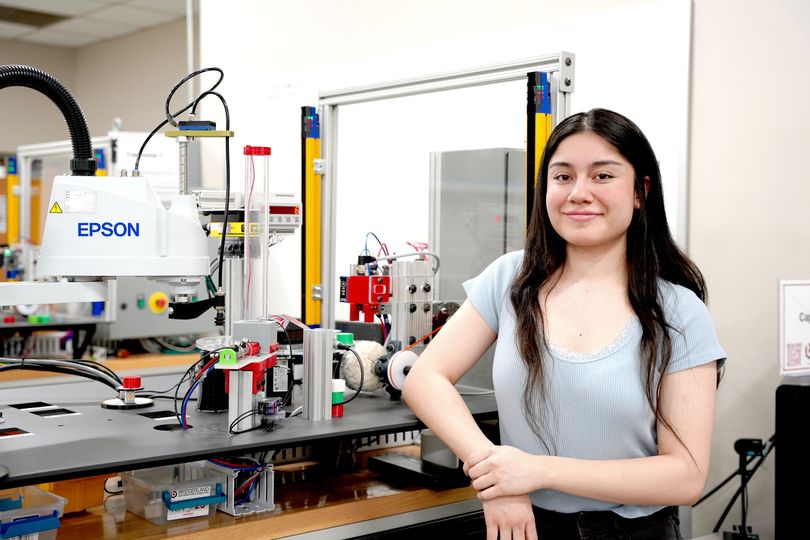
Automation Machine Operator
The Automation Machine Operator course prepares students to be effective machine operators within the manufacturing industry through hands-on lab experiences and practical instruction.
Students are introduced to the basic components of automated systems and best practices for machine operation, including safety, documentation, and optimization using real-world data.
Skills & Training
Students will learn and demonstrate best practices for following Standard Operating Procedures (SOPs), completing changeovers, operating machines using a Human-Machine Interface (HMI), and performing basic troubleshooting and preventative maintenance.
Learning Outcomes
- Demonstrate a working knowledge of general safety practices and procedures
- Demonstrate the use of an HMI for machine operation, optimization, and troubleshooting
- Demonstrate how to follow a Standard Operating Procedure, including completing a changeover
- Identify components of a basic automated system
- Demonstrate good practices such as documentation, preventative maintenance, and proper tool use
Course Access
Once enrolled, students will have 60 days to complete this course.
Open Lab Hours
Logan Campus
- Monday & Friday: 7:00 a.m. – 3:00 p.m.
- Tuesday, Wednesday & Thursday: 7:00 a.m. – 8:00 p.m.
- Saturday: 8:00 a.m. – 2:00 p.m.
Brigham City Campus
- Monday & Friday: 7:00 a.m. – 3:00 p.m.
- Tuesday, Wednesday & Thursday: 7:00 a.m. – 8:00 p.m.
Cancellation & Refund Policy
Individuals are responsible for canceling their registration should they not be able to attend. Refunds will not be issued for non-attendance. Cancellations received before the first day of class will receive a 100% refund. No refunds will be given on or after the first day of class.
About the Class
Registration
| Class Date | Registration Code (phone registration) |
|---|---|
| Ongoing - Logan Campus |
CE07 0040 01 LC |
| Ongoing - Brigham City Campus |
CE07 0040 01 BC |
Need help? If you have any issues with registration, contact Student Services.
Phone: 435-753-6780
Our Mission
The mission of the Bridgerland Technical College is to deliver competency-based, employer-guided career and technical education to both secondary and post-secondary students through traditional and technology-enhanced
methodologies. This hands-on technical education provides occupational education, skills training, and workforce development to support the educational and economic development of the Bear River Region.